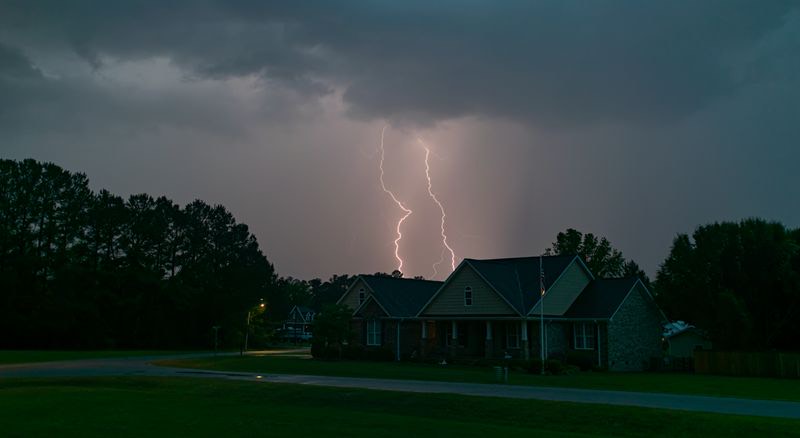
Get Your Massachusetts Home Ready for Hurricane & Nor'easter Season
From August hurricanes to fall nor'easters, Massachusetts homes take a beating. This proactive punch list — gutters, sump pumps, trees, roof, and power — helps you prevent the flooding and wind damage that turn into insurance claims.
Get Your Massachusetts Home Ready for Hurricane & Nor'easter Season
The New England Storm Calendar
Massachusetts sits at the end of two storm tracks. Atlantic hurricane season peaks from August into October, sending tropical systems and their remnants up the coast with heavy rain and wind. Then, as the weather cools, the nor'easters take over — the coastal storms that pile up rain, wind, and (later) snow, and cause the flooding and power outages New Englanders know all too well.
The work that protects your home takes a calm summer afternoon. Doing it during the storm warning is too late. Here's the punch list, most important first.
1. Gutters & Downspouts: Your First Line of Defense
A tropical downpour can drop 2–4 inches of rain in hours. Your gutters have to move all of it away from the house — and clogged gutters send it straight down your walls and into your foundation.
- Clear every gutter run of leaves, seeds, and shingle grit
- Flush downspouts to confirm they're not blocked
- Extend downspouts so they discharge at least 4–6 feet from the foundation
- Re-secure loose sections that wind and water weight will tear off
2. The Sump Pump (and Why It Needs a Backup)
If you have a basement in Massachusetts, your sump pump is what stands between a storm and a flooded floor. And here's the cruel irony: the storms that overwhelm your basement are the same storms that knock out the power your pump runs on.
- Test it now — pour a few buckets of water into the pit and confirm it kicks on and drains fully
- Clean the pit of debris that can jam the float switch
- Add a battery backup or water-powered backup pump so it keeps running through an outage — this is the single highest-value storm upgrade for most MA homes
- Check the discharge line runs well away from the house and isn't blocked
3. Trees & Limbs
Falling limbs are the leading cause of storm power outages and roof damage in Massachusetts. Wet soil plus high wind brings down branches that survived every dry-weather gust.
- Walk your property and flag dead, split, or overhanging limbs near the house, driveway, and power service
- Prune small overhanging branches yourself while it's calm
- Call a pro for anything large or near power lines — this is dangerous work, and limbs touching the utility drop are the electric company's or a licensed arborist's job, not yours
4. Roof, Flashing & Attic
- Scan the roof (from the ground with binoculars is fine) for lifted, cracked, or missing shingles — wind peels compromised shingles off first
- Check flashing around chimneys, vents, and skylights, the usual leak points
- Look in the attic after the next rain for water stains or daylight, which reveal a leak before it soaks your ceilings
- Secure loose exterior items — flashing, vent caps, and trim that a 60-mph gust will turn into a projectile
5. Foundation & Grading
- Seal foundation cracks while the season is dry — a hairline crack becomes a running leak under storm-driven groundwater
- Check that soil slopes away from the house on all sides; regrade low spots that pond water against the foundation
- Clear window wells and confirm their covers are intact
6. Power: Generators & Surge Protection
- Test your generator if you have one, and store fresh fuel safely — never run a generator inside a garage or near windows (carbon monoxide kills every storm season)
- Have a licensed electrician install a transfer switch if you run a portable generator — backfeeding through an outlet is illegal and deadly to line workers
- Add whole-home or point-of-use surge protection — grid surges during outages destroy electronics
- Charge power banks and keep flashlights and batteries where you can find them in the dark
7. The 30-Minute "Storm Is Coming" Drill
When a named storm or nor'easter is in the forecast:
1. Bring in or tie down deck furniture, grills, umbrellas, and trash bins 2. Clear gutters and downspout outlets one more time 3. Confirm the sump pump and its backup work 4. Charge phones, power banks, and devices 5. Fill a few water jugs and check flashlights 6. Photograph your home's exterior — dated photos make insurance claims far smoother if damage happens 7. Park vehicles away from trees
Ahead of the Storm, Not Behind It
Storm prep is the highest-return maintenance you'll do all year, because it's the difference between a windy night and a five-figure insurance claim. Knock out the gutters, sump pump, and tree work on a calm summer weekend, and you'll ride out hurricane and nor'easter season as the homeowner who's ready — not the one calling around for an emergency crew when every pro in the state is already booked.
Get storm-ready before the next system.
Book a vetted Handy Circle pro for gutter cleaning, sump-pump backup installs, tree limb removal, and roof checks — before the forecast turns.
Book Storm Prep